
Inside Magnifica Humanitas: Finding Common Ground on Artificial Intelligence
Montreal
Editor's note: In the summer of 2026, a small discussion group gathered in Montreal to study Magnifica Humanitas, Pope Leo XIV's encyclical on artificial intelligence (AI), and to reflect on the questions it raises. What began with a handful of participants soon grew to more than a dozen people from diverse professional and religious backgrounds. Danielle Morin, a professor at Concordia University who specializes in artificial intelligence in education, took part in the group's six meetings devoted to the encyclical. Here she discusses how the group came together, the exchanges that resonated most with participants, and why human dignity offers common ground for reflecting on the future of AI.
How the Group Began
The group came together very naturally. One colleague asked another whether he would be interested in forming a small group to study Magnifica Humanitas, the encyclical written by Pope Leo XIV. The document was drawing considerable discussion at the time, particularly about its significance for the future of artificial intelligence.
When my husband was invited to join, I thought it was a wonderful idea and asked whether I could take part as well. I had already developed a personal interest in reading and studying the encyclical, and I felt that discussing it with others would make the experience even more meaningful. Studying an important document as a group lets participants hear different interpretations, ask questions and discover perspectives they might not have considered reading it alone.
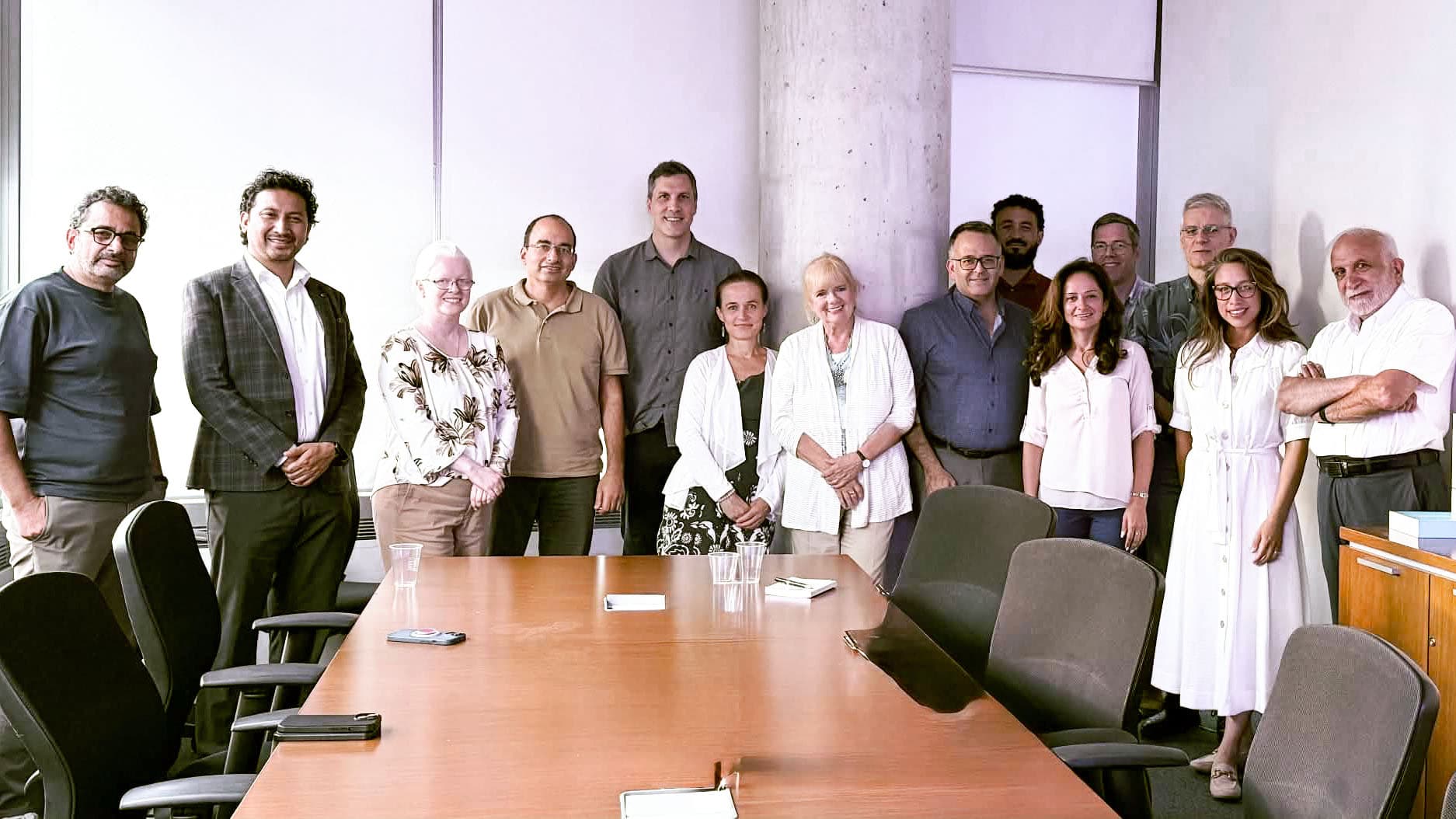
The group grew from three members to four, and eventually to more than a dozen. We became a very diverse group that included several university professors, engineers, entrepreneurs and other informed and interested citizens. Not everyone who joined was Catholic, but everyone shared a genuine desire to understand what the Holy Father had to say about artificial intelligence and its implications for society.
The Six Sessions
We met six times over the summer of 2026. For each session, one member of the group took responsibility for studying a portion of the encyclical and presenting it to the others. This gave everyone the chance to engage more deeply with a particular section and then share that understanding with the group. The diversity of the group made the discussions particularly engaging.
Human Dignity as Common Ground
One of the most striking aspects of our discussions was the central place of human dignity, a principle deeply rooted in Catholic social teaching. What surprised me most was how strongly it resonated with the entire group. Despite our different backgrounds and beliefs, most participants found themselves in agreement with many of the fundamental concerns the encyclical expresses. Human dignity became a point of convergence, a principle that could bring people together even when their religious or professional perspectives differed.
For me, this was one of the most important lessons of our group. The principles set out in Magnifica Humanitas are not relevant to Catholics alone. Many of the questions the encyclical raises concern society as a whole. What does it mean to remain human in an increasingly technological world? How do we protect human dignity? How should technology serve people rather than replace or diminish them? Pope Leo calls for AI to be disarmed and placed at the service of the common good, rather than left in the hands of a few.
Artificial Intelligence and the Need for Reflection
Our discussions also made clear that artificial intelligence is no longer something society can simply ignore. AI is here to stay, and it will continue to develop. The question, then, is not whether we can stop it, but how we can ensure that it is developed and used in ways that respect human dignity and serve the common good.
We agreed that safeguards are necessary. At the same time, we recognized that safeguards cannot come from technology alone. They require reflection, ethical principles, responsible policies, education and an ongoing public conversation about the role we want artificial intelligence to play in our lives. The encyclical provides an important framework for thinking through these questions. It addresses contemporary issues related not only to artificial intelligence, but also to technology, communication and society more broadly.
A Discussion Worth Continuing
Looking back on these six sessions, I am grateful that the group developed as naturally as it did. What started as a small gathering of a few people became a much larger and more diverse group, united by a desire to understand the implications of artificial intelligence and the human questions surrounding it.
I hope many more groups like ours will form. Creating opportunities for Catholics and non-Catholics, academics and professionals, technical experts and citizens to read Magnifica Humanitas, discuss its ideas and reflect on its message could contribute to a much broader conversation about artificial intelligence.
The experience reminded me that important documents are often best understood not only by reading them on our own, but by reading them together, listening to one another and asking what their message means for the society in which we live.
By Danielle Morin
Danielle Morin, PhD, is a professor at Concordia University in Montreal, where she teaches managerial analytics and machine learning. Her research focuses on the impact of artificial intelligence in education. She is co-coordinator of CAPP-Canada, the Canadian chapter of the Vatican-based Centesimus Annus Pro Pontifice Foundation, created by Pope St. John Paul II to promote Catholic social doctrine.
Comment
Comment
Add new comment